
Locust Bean Gum Replacement in the Food Industry – Tamarind Seed Gum
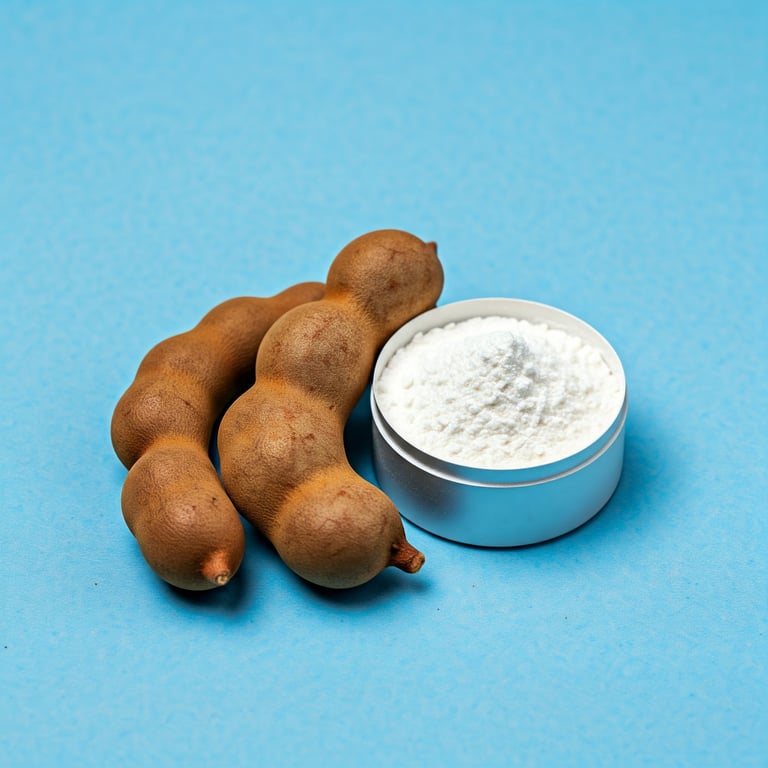
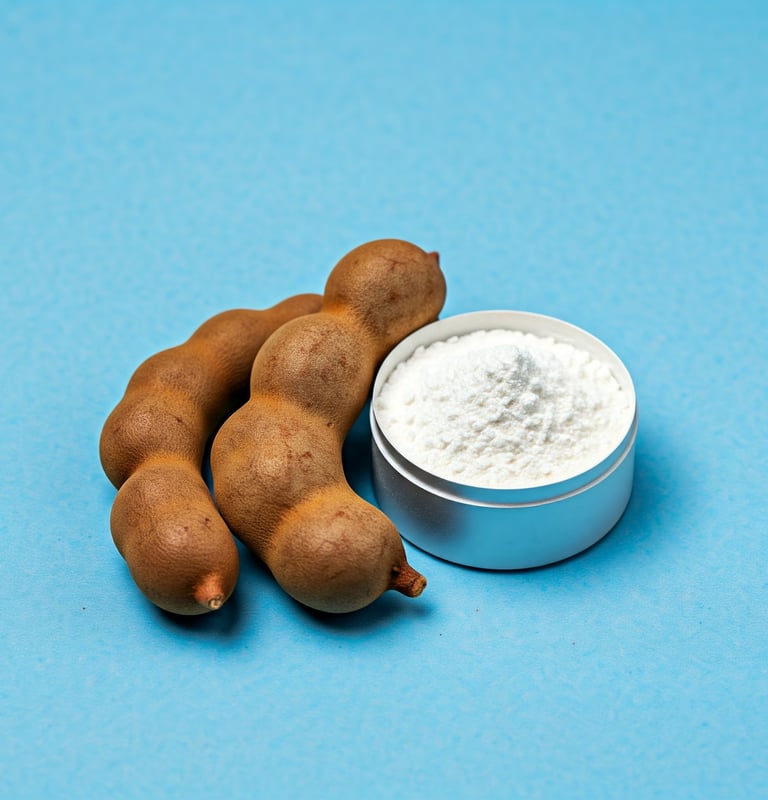
Tamarind seed gum is emerging as a highly effective, clean-label alternative to locust bean gum (LBG) in the food industry. Derived from the seeds of the tamarind tree, this ingredient is 100% plant-based, highly purified, and cold-water soluble. Its functional properties are superior to those of most other gums, making it an attractive option for formulators seeking natural, high-performance hydrocolloids.
Functional Properties
Tamarind seed gum acts as a natural thickening, stabilizing, and emulsifying agent. It enhances texture, extends shelf life, and improves consistency across a wide range of products. The gum exhibits smooth flow characteristics and demonstrates high tolerance to acid, heat, and salt—key attributes for challenging food matrices. These properties allow it to perform reliably under processing and storage conditions that can compromise other hydrocolloids.
A particularly valuable feature is its ability to suppress ice crystal growth. By forming a gel-like network during freeze-thaw cycles, tamarind seed gum helps maintain smooth texture and prevents the development of large ice crystals. This makes it especially well-suited for dairy and plant-based (alternate-dairy) ice creams and frozen desserts, where it serves as an excellent direct replacement for locust bean gum.
Applications in Ice Cream and Frozen Desserts
In ice cream and frozen dessert formulations, tamarind seed gum functions effectively as a replacement for both emulsifiers and stabilizers. It delivers performance comparable to locust bean gum and can be used as a one-to-one substitute in many recipes. Thanks to its strong emulsion-stabilizing capacity, it is highly versatile and can be employed alone or in combination with other gums, including LBG itself.
When tamarind seed gum is blended with locust bean gum, the combination provides significantly improved shape retention during melting. This synergistic effect also enables a reduction in the level of traditional emulsifiers while still maintaining or enhancing overall product performance. Comparative evaluations show that the tamarind seed gum + LBG system outperforms several common combinations, including:
- Guar gum + LBG + emulsifier
- Guar gum + LBG
- Beta pectin + LBG
Beyond technical performance, tamarind seed gum offers a clear economic advantage. It is notably more cost-effective than locust bean gum, helping manufacturers manage ingredient costs without sacrificing quality or clean-label positioning.
Regulatory Status
From a regulatory perspective, tamarind seed gum is well-positioned for broad use. It is listed as Generally Recognized As Safe (GRAS) in the United States and Canada and is not subject to premarket review or approval by the U.S. Food and Drug Administration (FDA). It is also approved for use in certified organic foods, further supporting its suitability for clean-label and organic product lines.
Conclusion
Tamarind seed gum represents a powerful, science-backed solution for formulators looking to replace or complement locust bean gum. Its clean-label profile, superior functional properties, freeze-thaw stability, synergy with LBG, cost advantages, and favorable regulatory status make it particularly valuable in ice cream and frozen desserts—both conventional dairy and plant-based alternatives. As demand grows for natural, high-performance ingredients that deliver consistent texture and extended shelf life, tamarind seed gum is poised to play an increasingly important role in the modern food industry.
For more information kindly visit the below page
Plantam Ingredients
Innovative plant-based ingredients for diverse industries.
abhay@plantamingredients.com
abhay@anexopharma.com